What Are the Top Types of Plastic Bulk Containers?

Choosing the right plastic bulk containers can influence product safety, handling speed, storage space, and operating costs. This guide examines the main container types used across manufacturing, agriculture, food processing, and logistics. It focuses on practical differences rather than attractive specifications alone.

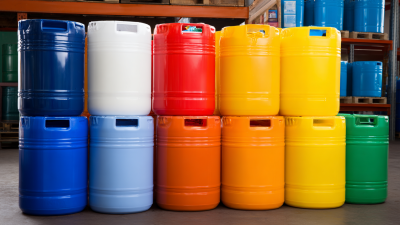
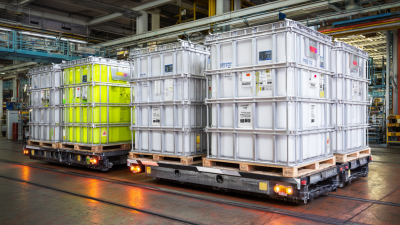
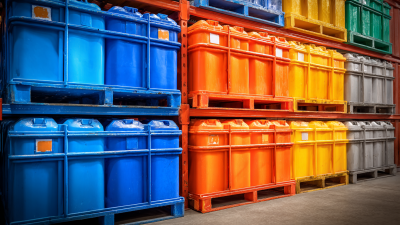
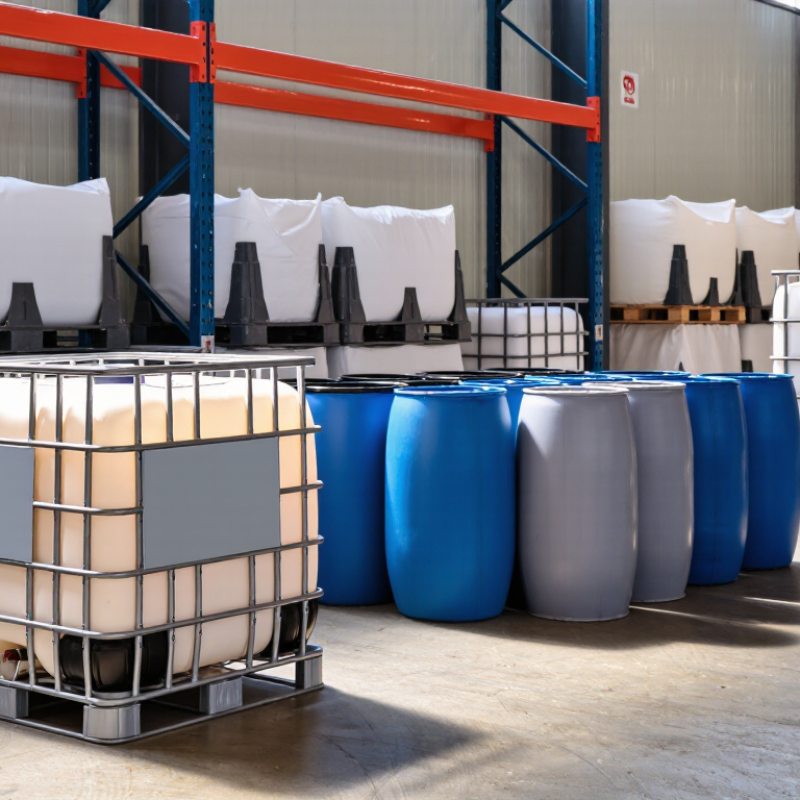
Rigid intermediate bulk containers, commonly called IBC totes, suit liquid storage and repeated movement by forklift. Their square footprint can use warehouse space efficiently. Plastic drums offer familiar handling for smaller liquid volumes, while stackable bins support powders, granules, and solid materials. Flexible intermediate bulk containers provide a lighter option for dry goods, especially when empty packaging must occupy less space. Each design has trade-offs. Fit matters.

Material compatibility deserves careful attention. High-density polyethylene may resist many chemicals, but resistance depends on concentration, temperature, exposure time, and container construction. Food-contact applications also require traceable materials and suitable manufacturing controls. A container that performs well with water may fail with an aggressive solvent or a hot filling process. Assumptions can be expensive.

Real-world selection involves more than capacity. Operators should review discharge valves, closures, pallet strength, lifting points, wall thickness, cleaning access, and stacking limits. A 275-gallon IBC may appear efficient, yet its outlet height could complicate transfer into a low mixing tank. Field experience often reveals these overlooked details. Manufacturer data, inspection records, and independent testing provide stronger evidence than marketing language. This article compares the top types of plastic bulk containers, explains where each performs best, and highlights questions buyers should ask before committing to a design. Some applications still require specialist advice. That is worth acknowledging.
What Are the Top Types of Plastic Bulk Containers?

What Defines a Plastic Bulk Container?

What Are the Top Types of Plastic Bulk Containers?

A plastic bulk container stores, protects, and moves large product volumes efficiently. Unlike small packaging, it supports industrial handling, pallet movement, and repeated filling. Capacity often begins around several hundred liters and may exceed 1,000 liters. Size matters.

Its design defines its performance. Common features include rigid walls, a reinforced base, a secure opening, and a drain valve. Many containers use high-density polyethylene because it resists impact, moisture, and many common chemicals. However, material compatibility must be checked for each product. A container suitable for water may perform poorly with oils or aggressive liquids. This is where practical testing becomes valuable.

Shape also matters. Square containers use warehouse space efficiently, while drums suit narrower storage areas. Some models include protective cages or molded lifting points for forklifts. Reusable versions can reduce packaging waste, but cleaning requirements may be demanding. I have found that users sometimes focus on capacity and overlook valve access. That small mistake can slow filling and create avoidable handling problems. Details matter.

Tips: Check the container’s maximum load, wall condition, closure type, and outlet position before purchase. Confirm product compatibility using technical documents, not assumptions. Inspect used containers for cracks, distortion, odor, or weakened fittings. Keep records of cleaning and inspections. A container can look serviceable and still need replacement.

How Plastic Bulk Containers Are Classified by Design

What Are the Top Types of Plastic Bulk Containers?

How Plastic Bulk Containers Are Classified by Design

Plastic bulk containers are mainly classified by structure, handling method, and reusability. Rigid intermediate bulk containers use molded plastic walls, a protective frame, a top opening, and a bottom discharge valve. Their square footprint improves warehouse density and forklift access. Grand View Research estimated the global intermediate bulk container market at about USD 20 billion in 2023, reflecting strong demand for efficient bulk handling.

Flexible intermediate bulk containers use woven polymer fabric rather than thick molded walls. They fold flat when empty and often include lifting loops, a filling spout, and a discharge outlet. This design reduces return-transport volume. It can also deform under uneven loading. That detail matters. The Flexible Intermediate Bulk Container Association identifies load stability, liner selection, and seam quality as key performance factors.

Other designs include stackable drums, collapsible rigid containers, and composite units with plastic inner bottles and metal cages. Collapsible models save storage space, but hinges and folds may increase cleaning difficulty. Composite designs offer better impact protection, although they contain more components. The OECD Global Plastics Outlook reports that global plastic waste could nearly triple by 2060 without stronger prevention measures. Therefore, design evaluation should include service life, repairability, empty-volume efficiency, and recyclability. The simplest container is not always the most sustainable choice.

Which Plastic Bulk Containers Suit Different Materials?

Plastic bulk containers work best when their design matches the material inside. Rigid intermediate bulk containers suit water-based liquids, oils, detergents, and many industrial fluids. Their square shape saves warehouse space, while a bottom valve supports controlled dispensing. However, compatibility depends on the exact formulation, not only the product name. Check the safety data sheet and a chemical resistance chart before filling.

High-density polyethylene drums offer strong protection for liquids, powders, and granules. Tight-head drums help prevent leaks during transport. Open-head drums are more practical for thick materials that need scooping or mechanical loading. Dry powders may require conductive features or grounding controls in dusty work areas. Standard plastic alone does not remove static risks.

For dense powders, pellets, and solid components, stackable plastic bins provide easier access than tall drums. Large plastic tanks suit frequent liquid storage, especially when paired with level indicators and suitable vents. Food or pharmaceutical materials need containers with appropriate hygienic surfaces and documented approvals. Reused containers deserve extra caution. Residual odors, scratches, or unknown previous contents can affect the next load. That is easy to underestimate. Temperature also matters; heat can soften plastic, while cold may make it brittle. A small trial with the real material, closure, and storage conditions can reveal problems before full-scale use.

Top Types of Plastic Bulk Containers and Their Typical Capacity

Different plastic bulk containers are designed for specific material forms. IBC totes and closed-head drums are commonly used for liquids, open-head drums suit powders and viscous materials, pallet boxes are practical for solid goods, and rigid HDPE tanks are used for larger liquid volumes. The capacities shown are common nominal sizes; actual specifications vary by design and application.

Key Features to Compare Before Choosing a Container

Plastic bulk containers usually include rigid intermediate bulk containers, open-top bins, drums, and jerrycans. The right choice depends less on appearance and more on measurable features. Capacity matters, but so does usable volume after fittings and headspace. A 1,000-liter container may not suit a narrow loading aisle. Measure doorways, forklift access, and storage height first.

Material compatibility deserves close attention. High-density polyethylene handles many industrial liquids, yet heat, solvents, and prolonged sunlight can weaken it. Check chemical-resistance charts, wall thickness, closure design, and gasket material. For food or sensitive products, request traceability records and migration testing.

The U.S. Environmental Protection Agency reported that plastic containers and packaging generated 14.5 million tons of waste in 2018, with only 13.1% recycled. Poorly designed containers create costly waste. They also create handling problems.

Stackability and base strength affect warehouse safety. Look for molded pallets, reinforced corners, anti-slip surfaces, and tested stacking loads. Reusable containers should withstand repeated washing and inspection.

The OECD Global Plastics Outlook reported 353 million tonnes of plastic waste globally in 2019. Reuse can reduce replacement demand, but only when cleaning, repair, and return logistics are realistic. This is where buyers often overestimate savings.

A lightweight container may lower transport emissions, yet fail after several cycles. Compare tare weight, service life, valve access, and disposal options together. Performance data beats attractive specifications.

How to Select the Right Plastic Bulk Container for Your Needs

Choosing the right plastic bulk container starts with the material, not the price. Common options include intermediate bulk containers, plastic drums, and rigid bulk bins. IBCs usually hold about 1,000 liters and suit liquids, powders, and frequent warehouse transfers. Drums offer easier handling for smaller volumes. Rigid bins work better for parts, granules, and dry goods.

The OECD’s Global Plastics Outlook reports that packaging represents about 40% of global plastics demand. That figure makes container selection more important than it first appears. Check chemical compatibility, wall strength, closure design, and stacking requirements. For outdoor storage, ultraviolet resistance matters. For liquids, inspect the valve, gasket, and leak-control features. Food, pharmaceutical, or sensitive applications may require documented hygiene controls and traceability. A container that fits today may fail after repeated cleaning or temperature changes. I have seen teams overlook forklift access, then discover costly handling delays.

Tips: Match the container to its real working conditions. Confirm the product’s density, temperature range, and filling method. Ask for test certificates, not only a sales specification. The United Nations Environment Programme supports reuse and resource efficiency, but reuse is not automatically better. Cleaning water, transport distance, and service life can change the result. Select repairable containers where practical, and record inspections between uses. Small details matter.

What Are the Top Types of Plastic Bulk Containers? - How to Select the Right Plastic Bulk Container for Your Needs

Container Type Typical Capacity Typical External Size Typical Tare Weight Common Material Best-Suited Applications Main Advantages Important Selection Considerations
Rigid Intermediate Bulk Container (IBC Tote) 500–1,250 L
Common sizes: 600 L and 1,000 L
Approximately 1,000 × 1,200 × 1,150 mm for a 1,000 L unit 45–70 kg for a 1,000 L unit Blow-molded HDPE bottle with a steel, plastic, or composite pallet and protective cage Liquid chemicals, food ingredients, water-based products, detergents, oils, and industrial liquids High volume per footprint; stackable; usually includes a bottom valve; efficient for transport and dispensing Check liquid compatibility, UN certification if required, valve and cap specifications, stacking load, pallet type, and whether the container is new or reconditioned
Closed-Head Plastic Drum 30–220 L
Common sizes: 60 L, 120 L, and drum
Approximately 580 mm diameter × 890 mm high for a 220 L drum 8–16 kg, depending on capacity and design High-density polyethylene (HDPE) Liquids, powders, granules, lubricants, cleaning products, and chemical products Durable, relatively easy to handle, available with threaded openings, and suitable for closed-system transfer Compare opening size, bung thread, headspace requirements, UN performance rating, temperature range, and compatibility with drum-handling equipment
Open-Head Plastic Drum 30–220 L
Common sizes: 60 L, 120 L, and 220 L
Approximately 580 mm diameter × 890 mm high for a 220 L drum 9–18 kg, depending on lid, ring, and capacity HDPE with a removable lid and clamp or lever-lock ring Solids, powders, pastes, food ingredients, waste materials, and products requiring frequent access Wide opening simplifies filling, emptying, cleaning, inspection, and manual loading Confirm gasket material, lid seal, clamp design, moisture protection, nesting or stacking capability, and whether the contents need a pressure-tight closure
Plastic Jerry Can 5–30 L
Common sizes: 10 L, 20 L, and 25 L
Approximately 290 × 240 × 470 mm for a 20 L can 0.8–2.0 kg HDPE; some products use a fluorinated or barrier-treated inner layer Portable liquids, sampling, maintenance chemicals, agricultural products, and small-volume distribution Lightweight, easy to carry, compact, and suitable for controlled pouring Evaluate handle comfort, cap and pourer design, leak resistance, chemical permeation, drop performance, and applicable transport regulations
Rigid Pallet Box 300–1,400 L
Common sizes: 400 L, 600 L, and 1,000 L
Approximately 1,200 × 1,000 × 760 mm for a 600 L unit 35–85 kg Injection-molded HDPE or impact-modified polypropylene Automotive parts, produce, industrial components, recyclables, and dry bulk materials Strong reusable walls; forklift-compatible base; protects contents during storage and internal transport Select solid or perforated walls, lid style, load rating, interior dimensions, nesting ratio, drainage needs, and compatibility with conveyors or pallets
Collapsible Bulk Container 300–1,000 L
Common sizes: 500 L and 1,000 L
Approximately 1,200 × 1,000 × 1,000 mm when assembled 25–70 kg Foldable HDPE or polypropylene panels with a structural base and hinged sides Returnable logistics, packaging components, agricultural products, retail distribution, and empty-container backhauls Folds when empty; reduces return-transport volume; reusable and often compatible with automated handling Check collapsed height, cycle life, side-wall retention, maximum stacking load, hinge durability, and whether contents require a dust- or moisture-resistant cover
Plastic Bulk Hopper or Bin 200–1,500 L Varies widely; commonly 800–1,400 mm wide and 700–1,600 mm high 20–100 kg HDPE, polypropylene, or rotationally molded polyethylene Dry powders, pellets, grain, waste, recycling streams, and gravity-fed production processes Can support controlled discharge; available with sloped bottoms, outlet gates, lids, and forklift pockets Match hopper angle and outlet size to material flow; verify load rating, dust control, cleaning access, and discharge-equipment compatibility

Quick Selection Checklist

Product State Choose a liquid-rated IBC, drum, or jerry can for liquids; use a pallet box, open-head drum, hopper, or collapsible container for solids and components.
Required Volume Use jerry cans for portable small volumes, drums for mid-range quantities, and IBC totes or bulk bins for approximately 500–1,250 L applications.
Handling Method Confirm compatibility with forklifts, pallet jacks, conveyors, pumps, filling lines, and automated storage systems before selecting a container.
Regulatory Needs For hazardous materials or regulated transport, verify the required UN performance rating, labeling, closure system, and applicable local or international rules.
Reuse and Sustainability Compare expected reuse cycles, cleaning requirements, repairability, return logistics, recycled-content options, and end-of-life recycling routes.