
The global demand for technical outerwear is becoming more selective, not merely larger. The Outdoor Industry Association’s 2024 Outdoor Participation Trends Report recorded 175.8 million American participants in outdoor recreation during 2023. That expanding user base includes hikers, commuters, skiers, and travelers who expect warmth without unnecessary bulk. For buyers, an Outdoor Down Jacket must balance fill power, shell durability, packability, comfort, and responsible sourcing.
Industry evidence also shows why supplier evaluation needs more than a product photograph. Textile Exchange’s 2024 Materials Market Report highlights the continuing importance of traceable fibers and certified material systems across fashion and performance apparel. The Responsible Down Standard remains a useful reference for checking animal-welfare and supply-chain practices. Meanwhile, testing methods from organizations such as ASTM International and the International Down and Feather Bureau help buyers compare insulation quality, moisture behavior, and labeling claims with greater confidence.
This “Top 10 Outdoor Down Jacket Suppliers Worldwide” overview examines manufacturers through a practical sourcing lens. It considers production capacity, fabric and insulation options, quality-control procedures, certification transparency, customization support, minimum order quantities, and delivery reliability. Factory experience matters. So does communication when a sample arrives with uneven quilting or a zipper that catches. Public rankings can simplify a complicated market, and no ranking is perfect. Supplier capabilities may change by season, region, and order volume. Therefore, readers should verify current certificates, request physical samples, and confirm performance data before signing a commercial agreement. A warm jacket is easy to describe. A dependable supply chain is harder to prove.
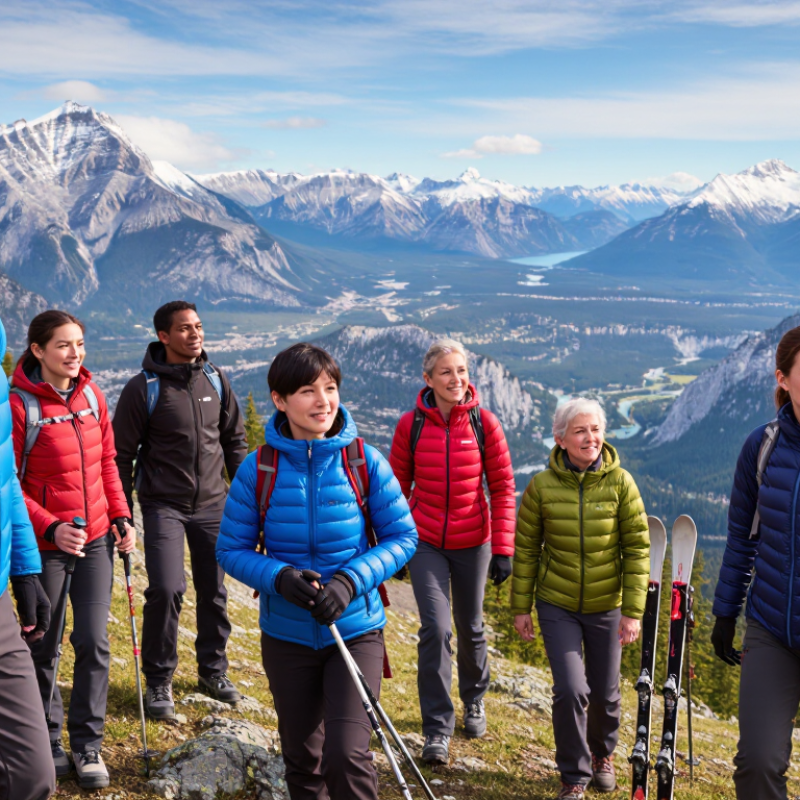
A reliable outdoor down jacket supplier proves performance beyond attractive catalogs. Their sampling process should reflect real mountain conditions, including cold wind, light rain, and repeated packing. Ask for documented insulation tests, fabric specifications, and production tolerances. Fill power matters, but it does not tell the whole story. Baffle design, down distribution, stitching, and shell density also affect warmth. Experienced suppliers can explain these details clearly, without hiding behind technical language.
Supplier reliability appears in daily production habits. Request a sample before placing a large order. Inspect the hood adjustment, cuff seal, zipper movement, and pocket reinforcement. A dependable factory should provide consistent measurements across production batches. Traceable down sourcing and clear quality records also support responsible purchasing. Third-party testing can verify composition, colorfastness, water resistance, and seam strength. Claims deserve evidence.
Tips: Compare two samples after washing and compressing them repeatedly. Check whether the down clumps or leaks through seams. Ask how defects are recorded and corrected. A quick reply is useful, but a documented answer is stronger. No supplier is perfect. Even experienced teams may miss a minor stitching issue. What matters is whether they acknowledge it, investigate the cause, and improve the next sample. On-site audits, realistic delivery schedules, and transparent communication often reveal more than polished sales materials.
Comparing global down jacket manufacturers requires more than checking catalog prices. Factory experience shows in pattern control, insulation mapping, and repeatable stitching. Ask how many seasons the plant has produced technical outerwear. Request samples from different production months. One polished sample proves little. Reliable suppliers explain fill power, feather ratio, shell denier, and testing methods clearly. Numbers matter.
Material traceability deserves close attention. Trusted manufacturers can identify down sources, cleaning processes, and lot records. Independent laboratory reports should match the actual production batch. Check testing for warmth, leakage, colorfastness, and water resistance. Test a jacket after compression and washing. Loft may fall. It happens. The supplier’s response matters more than a perfect first result. Production audits should review worker training, equipment maintenance, and defect handling. Photos help, but qualified third-party verification carries more weight.
Communication is another practical measure. Technical teams should answer measurement questions with drawings, tolerances, and revised samples. Delivery promises need capacity evidence, not confident emails. Compare minimum order quantities, lead times, replacement policies, and inspection checkpoints. Small pilot orders reveal hidden weaknesses. They also expose buyer assumptions. In production reviews, specifications often fail because “warm” has no shared temperature range. A careful manufacturer will challenge unclear requests and document every change. That may feel slower. It usually prevents expensive rework later.
Benchmark weighting for comparing global down jacket manufacturers
Product quality and down performance typically receive the highest priority in outdoor apparel sourcing. Compliance and traceability help verify responsible down sourcing, while production capacity, technical capability, cost competitiveness, lead time, and sustainability support reliable long-term supplier selection.
The top ten supplier profiles show a wide range of outdoor down jacket expertise. Some specialize in lightweight alpine clothing, while others focus on workwear and expedition models. Their factories commonly serve private-label buyers, retailers, and professional outdoor teams. Strong suppliers usually explain fill power, down origin, fabric weight, and production capacity clearly. They also provide sample development before large orders begin. That practical step can reveal fitting, stitching, and warmth problems early.
Several profiles stand out for disciplined quality control. Their teams inspect baffles, zippers, seam sealing, and insulation distribution during production. Independent laboratory testing may verify water resistance, colorfastness, and down composition. Reliable suppliers also maintain traceability records for filling materials. Regional strengths differ. Asian manufacturers often offer broad production capacity, while European facilities may emphasize technical design and smaller batches. These patterns are useful, but they are not absolute. No supplier is perfect.
Tips: Request a detailed sample report before signing a purchase agreement. Compare actual garment weight with the specification. Ask how rejected materials are handled. Visit the facility when possible, or arrange a documented third-party inspection. A polished website proves little. Clear records matter more. Also, allow time for revisions; rushing development often creates hidden costs and weaker performance.
Choosing among the top 10 outdoor down jacket suppliers requires more than checking price and catalog photos. Textile Exchange’s Materials Market Report 2024 reported that global fiber production reached 124 million tonnes in 2023. This scale makes material traceability increasingly important. Ask suppliers for down origin records, recycled content evidence, and laboratory test reports. Fill power, down-to-feather ratio, and fill weight directly affect warmth, weight, and cost. A 750-fill jacket may feel warmer than a heavier, poorly filled alternative.
Production standards reveal operational discipline. Suppliers should provide factory quality procedures, batch inspection records, and testing against recognized standards, such as ISO 9001. Responsible Down Standard certification can support animal-welfare traceability, but certification alone is not enough. Inspect stitching, baffle spacing, zipper strength, and washing performance. Small leaks matter. They become obvious in cold wind. The International Down and Feather Bureau also publishes testing methods for composition, cleanliness, and filling power, giving buyers a useful comparison framework.
Customization can include shell fabric denier, hood structure, cuff design, pocket placement, color, logo application, and insulated panel shape. Specify the intended climate before selecting materials. Lightweight ripstop suits fast movement, while tougher fabrics support repeated outdoor use. Water-repellent finishes should be reviewed carefully, including PFAS-free options where required. According to Textile Exchange, recycled polyester production is growing, yet recycled inputs do not automatically prove better durability. I still question suppliers who promise every feature at the lowest price. No factory is perfect. Transparent limitations often indicate stronger technical judgment.
Selecting among the top 10 outdoor down jacket suppliers requires more than comparing unit prices. Start with technical proof. Ask for fill-power reports, down-to-feather ratios, wash testing, and cold-chamber results. A credible supplier should explain test methods and repeat them consistently.
Textile Exchange reported that global fiber production reached 124 million tonnes in 2023. Recycled fibers represented about 12% of that volume. This data highlights why material traceability matters. Request transaction certificates, recycled-content records, and documented down sourcing. Do not accept vague claims.
Supplier capacity also deserves practical testing. Review minimum order quantities, sample lead times, fabric availability, and production-line photographs. Check whether the factory can maintain stable loft after repeated compression. A jacket may look excellent on a showroom table and fail after shipment. I would not trust a polished sample alone.
Ask for independent quality audits and worker-safety documentation. Review corrective-action records, not only clean certificates. The International Down and Feather Bureau emphasizes laboratory testing for composition and performance, making third-party verification valuable. Test your own pre-production samples too. It costs time.
A useful scorecard can weight performance at 35%, traceability at 25%, reliability at 20%, and cost at 20%. These numbers are adjustable. Your brand’s assumptions may be wrong. Recheck them after a pilot order, especially when seasonal demand, moisture, and transport delays affect delivery.
Anonymous supplier profiles based on common global outdoor apparel manufacturing capabilities and sourcing benchmarks
| Rank | Anonymous Supplier Profile | Primary Manufacturing Region | Typical MOQ | Typical Production Lead Time | Down Insulation Options | Shell Fabric Options | Common Compliance Capabilities | Key Strength | Best Fit For |
|---|---|---|---|---|---|---|---|---|---|
| 01 | Profile A — Large-Scale Technical Factory | East Asia | 500–1,000 units per style | 60–90 days after approval | Duck or goose down; traceable and recycled options commonly available | High-density nylon, recycled polyester, ripstop, water-repellent finishes | RDS, GRS, bluesign® system partner materials, ISO-based systems; verify certificates | Strong technical development and large-volume production | Established outdoor brands with complex specifications |
| 02 | Profile B — Premium Performance Specialist | East Asia | 300–600 units per style | 55–80 days after approval | High-fill-power goose and duck down; lightweight construction | 10D–30D nylon, downproof fabrics, bonded and laminated textiles | RDS, OEKO-TEX® Standard 100, laboratory performance testing | Excellent warmth-to-weight engineering | Premium mountaineering and high-performance collections |
| 03 | Profile C — Sustainable Materials Factory | Southeast Asia | 300–800 units per style | 60–85 days after approval | RDS-certified down and recycled down subject to availability | GRS recycled polyester, recycled nylon, PFC-free water repellency | GRS, RDS, OEKO-TEX® and social-audit programs commonly supported | Material traceability and sustainability documentation | Eco-focused labels and recycled-content product lines |
| 04 | Profile D — Flexible Mid-Volume Manufacturer | South Asia | 200–500 units per style | 65–95 days after approval | Standard duck down, goose down and synthetic fill alternatives | Polyester, nylon, recycled blends and basic ripstop | BSCI, WRAP, SEDEX and OEKO-TEX® support may be available | Competitive pricing and moderate order flexibility | Growing brands requiring commercial-quality essentials |
| 05 | Profile E — Fast-Response Sampling Partner | East Asia | 100–300 units per style | 45–70 days after approval | Duck down, goose down and synthetic insulation for prototypes | Lightweight nylon, polyester, printed and custom-color fabrics | Material testing and third-party inspection support | Low entry quantity and rapid sample iteration | Start-ups, capsule collections and product testing |
| 06 | Profile F — Vertical Down Processing Facility | East Asia | 500–1,500 units per style | 70–100 days after approval | In-house down washing, sorting and fill-power control | Downproof nylon, polyester, recycled and coated fabrics | RDS chain-of-custody documentation and fill-power testing | Better control of insulation consistency and traceability | Brands prioritizing repeatable thermal performance |
| 07 | Profile G — European Nearshore Factory | Eastern Europe | 150–500 units per style | 45–75 days after approval | Certified down and synthetic insulation, subject to sourcing | Nylon, polyester, recycled fabrics and technical laminates | EU chemical restrictions, OEKO-TEX® and social compliance audits | Shorter delivery routes to European markets | European brands needing smaller runs and closer coordination |
| 08 | Profile H — Integrated Outdoor Apparel Group | Southeast Asia | 800–2,000 units per style | 70–110 days after approval | Duck and goose down, synthetic insulation and hybrid constructions | Woven nylon, polyester, stretch panels and laminated materials | GRS, RDS, ISO 9001 and customer-specific audit programs | Capacity, production planning and multi-category expertise | High-volume seasonal programs and broad product ranges |
| 09 | Profile I — Private-Label Development Supplier | South Asia | 100–400 units per style | 60–90 days after approval | Commercial-grade duck down and synthetic fill options | Polyester, nylon, recycled blends and seasonal fashion fabrics | OEKO-TEX®, BSCI, SEDEX and third-party product testing | Design assistance, labeling and packaging customization | Private-label retailers and new apparel brands |
| 10 | Profile J — Small-Batch Technical Workshop | East Asia | 50–200 units per style | 40–65 days after approval | Down and synthetic insulation for small-batch production | Lightweight nylon, recycled polyester and custom-developed fabrics | Third-party testing and selected material certifications | Low minimum quantities and hands-on development support | Limited editions, crowdfunding projects and pilot launches |
Note: MOQ, lead-time and certification information represents typical industry ranges and capabilities. Actual terms vary by factory, season, product complexity, order quantity and destination market; verify all details before placing an order.