Why is Offset Printing Inspection Essential for Quality Control?
In the world of publishing and packaging, Offset Printing Inspection plays a crucial role. According to Dr. Emily Chen, a leading expert in printing technology, "Effective inspection processes are the backbone of quality control." This statement underscores the importance of thorough inspection methods in maintaining high standards.
Offset Printing Inspection checks for color accuracy, alignment, and overall print quality. Small errors can lead to significant problems. For instance, a slight misalignment may seem minor but can disrupt the entire print run. The stakes are high in high-volume production settings. Printers must be diligent. Each print batch requires careful inspection to ensure consistency.
Quality control is not just about finding faults; it is about preventing them. An effective inspection can save resources and time. However, some facilities overlook the need for regular checks. This oversight can affect brand reputation. Continuous learning and adaptation in inspection methods are essential. As technology evolves, so should inspection strategies. Offset Printing Inspection must remain a priority to ensure quality outcomes.
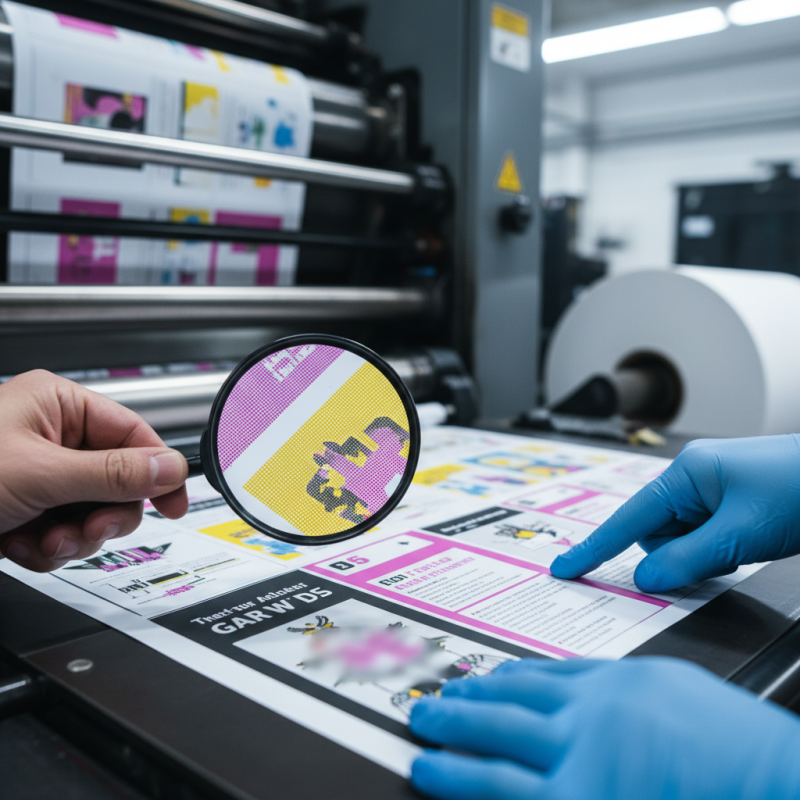
Importance of Quality Control in Offset Printing
Quality control is vital in offset printing. It ensures that every print job meets the desired standards. Each print run includes checks for color accuracy, alignment, and overall quality. These measures prevent costly errors and maintain client satisfaction.
Experienced operators use various techniques to monitor the printing process. They regularly inspect ink consistency and paper quality. However, human error still occurs. An unnoticed smudge or slight color deviation can ruin an entire batch.
Continual training helps reduce these mistakes. But, even the best systems aren't foolproof.
Building a reliable inspection process is crucial. It's not just about equipment; it's also about the people behind it. Operators must understand the intricacies of the printing processes. Regular feedback loops can identify areas for improvement. This approach fosters an environment where quality thrives, leading to better final products.
Key Components of Offset Printing Inspection Processes
Offset printing requires a thorough inspection process to ensure high-quality output. Inspecting color accuracy, registration, and print defects is crucial. According to industry reports, over 30% of printing errors result from poor quality control in the initial stages. This statistic underscores the importance of implementing effective inspection measures.
Key components of offset printing inspection include color management, pre-press checks, and in-line inspection systems. Color management systems help maintain consistency. They ensure that each run matches the approved samples. Pre-press checks, including proofing, are vital. They help identify potential issues before the printing process starts. In-line systems monitor print quality throughout production, providing real-time data to operators. Such systems reduce waste and improve efficiency.
Despite these advanced measures, challenges remain. Many printers still struggle with human error during manual inspections. In fact, studies indicate that around 20% of defects go unnoticed without automated processes. This gap highlights the need for continuous improvement and investment in technology. Regular training and adjustments in inspection protocols can also enhance overall quality.
Offset Printing Quality Control Inspection Metrics
Common Quality Issues in Offset Printing and Their Detection
Offset printing can sometimes lead to visible quality issues. Common problems include color inconsistencies, misalignment, and streaks on the printed surface. Each of these issues can severely impact the final product's appeal and effectiveness. Identifying these flaws requires careful inspection during the printing process.
Inspectors often rely on visual checks. They look for color matching against samples and ensure that images are aligned correctly. Misregistrations can result from worn-out plates or miscalibrated machines. Even minor errors can change a design's meaning or affect brand integrity. Occasionally, ink smudges appear, indicating inconsistent pressure or improper drying times.
To maintain high standards, printers must document their findings. Regular training for staff on quality inspection techniques is also crucial. However, some printers may overlook these practices. They might rely too heavily on automated systems, risking hidden issues. Continuous vigilance is necessary to ensure consistent quality in offset printing.
Why is Offset Printing Inspection Essential for Quality Control? - Common Quality Issues in Offset Printing and Their Detection
| Quality Issue | Detection Method | Impact on Final Product | Frequency of Occurrence |
| Color Variation | Color sampling using spectrophotometer | Affects brand consistency | Moderate |
| Registration Issues | Visual inspection and use of alignment tools | Can lead to blurry or misaligned images | High |
| Ink Smudging | Visual checks and handling tests | Damages visual quality | Low |
| Paper Curling | Physical inspection and weight tests | Affects page handling and appearance | Moderate |
| Dot Gain | Measurement using density or dot area analysis | Impacts detail and sharpness | High |
Technological Innovations in Offset Printing Inspection Methods
Technological innovations in offset printing inspection methods have transformed quality control in the printing industry. Today, automation plays a crucial role. Advanced systems can quickly identify defects during the printing process. These systems use high-resolution cameras and sensors. They detect issues such as color shifts or misalignment in real-time. This immediate feedback supports operators in making necessary adjustments, reducing waste significantly.
Despite these advancements, challenges remain in ensuring accuracy. Some automated systems may miss subtle flaws that a trained eye would catch. Human inspection still holds value, especially in high-stakes projects. Combining human expertise with technology creates a more robust quality control strategy. Implementing a hybrid approach ensures no detail goes unnoticed.
Moreover, the integration of data analytics enhances inspection methods further. Big data allows printers to analyze trends over time. Understanding historical data leads to predictive models for defects. However, reliance on technology alone can lead to complacency. Regular training for staff and consistent process reviews are essential. Balancing innovation with human insight can elevate quality control to new heights.
Best Practices for Implementing Effective Inspection Procedures
Effective inspection procedures are vital for maintaining quality in offset printing. According to a recent study, nearly 30% of print defects arise from inadequate inspections. Implementing a robust inspection process can greatly reduce these errors. Key practices should include routine checks at various production stages. This not only helps identify issues early but also minimizes waste.
Using advanced technologies like automated cameras can enhance inspection accuracy. Data shows that over 40% of companies using such technology report improved outcome consistency. Regularly training staff on inspection techniques is also crucial. Without proper knowledge, even the best equipment may not achieve its potential.
Moreover, inspections should not just focus on appearance. Measuring color consistency and print alignment is essential. Many printers overlook these factors, leading to customer dissatisfaction. Providing frequent feedback to teams can foster an environment of continuous improvement.