Top Tips for Choosing Home Textile Fabrics for Your Space?
Choosing the right home textile fabric can significantly impact your living space. According to industry reports, the global home textiles market is projected to reach $150 billion by 2025. Consumers are increasingly valuing quality and aesthetic appeal in fabrics, with 75% prioritizing comfort in their selections.
Fabrics have a direct influence on ambiance and functionality. For example, curtains made from lightweight, breathable materials can enhance natural light in a room. On the other hand, heavy drapes can create a cozy, intimate setting. When selecting home textile fabric, it’s essential to consider both durability and style.
However, many homeowners overlook the importance of practicality. Fabrics that look beautiful might not always be easy to maintain. Some may fade quickly or stain easily. Reflecting on these factors is vital for ensuring satisfaction long term. Choosing wisely can transform a room, while poor choices can lead to regret.
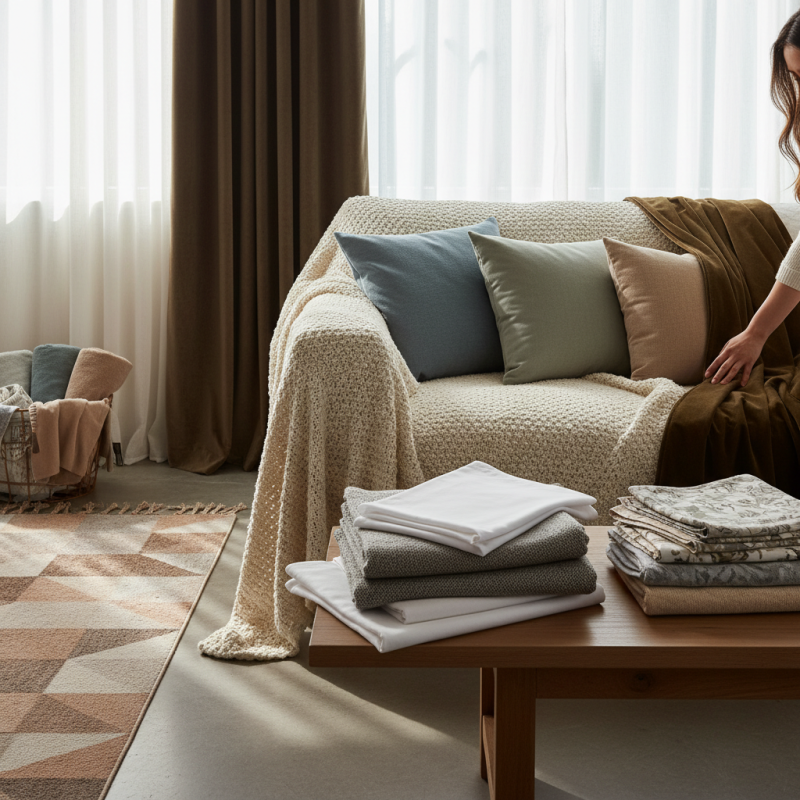
Understanding Different Types of Home Textile Fabrics
Choosing home textile fabrics can be overwhelming. There are many options available, each with unique qualities. Understanding these fabrics is essential for creating a harmonious space.
Cotton is popular for its breathability and softness. It’s ideal for curtains and cushions. However, cotton can fade in sunlight. Linen offers a textured look and feels great in summer. But it creases easily, which might not suit everyone. Velvet, on the other hand, adds luxury but can be high maintenance. It may not be the best choice for families with children or pets.
Synthetic fibers like polyester are durable and often more affordable. They resist stains but may lack the warmth of natural fibers. Blends are also a solid alternative, combining the best of both worlds. Mixing fabrics can create depth. Yet, it requires careful consideration. The wrong combination can lead to clashing textures and colors.
Factors to Consider When Selecting Fabrics for Your Space
When choosing fabrics for your home textiles, several factors come into play. Consider the function of the space. For a bedroom, soft and cozy materials, like cotton or linen, create a warm atmosphere. In a dining area, however, you might prefer something more durable like polyester blends. Each choice shapes the room's vibe.
The color and pattern also matter. A bold print can serve as a statement piece. But what if it overwhelms the room? Think about how it interacts with existing decor. A simple color may blend seamlessly, while a vibrant hue might need more consideration.
Texture is another aspect. Smooth fabrics feel luxurious but can be less practical. Sil textures may seem appealing, but they show dirt quickly.
Lastly, maintenance is crucial. Some fabrics require special cleaning, which can be challenging. An intricate weave may look stunning, yet how often will you have time for upkeep? Balancing style with ease of care is essential. Choosing textiles is not merely about aesthetics; it’s about creating a functional, beautiful space that reflects your lifestyle.
Evaluating Fabric Durability and Maintenance Requirements
When selecting home textile fabrics, durability and maintenance are crucial. A study showed that about 60% of homeowners prioritize lasting materials that withstand wear and tear. For instance, upholstery fabrics like polyester or nylon can offer high durability compared to cotton. These synthetic fibers resist fading and abrasion, making them ideal for high-traffic areas.
Regular upkeep can be daunting. Fabrics requiring frequent washing can quickly become burdensome. Research indicates that materials labeled "easy care" significantly reduce cleaning time. For example, stain-resistant finishes can make life easier, especially in homes with pets or children. Fabrics like microfiber require less maintenance and are easier to clean, giving peace of mind to busy homeowners.
Choosing the right fabric means considering your lifestyle. Some fabrics may appear stunning but can be difficult to maintain. Velvet, while luxurious, can be challenging to keep clean. Balancing aesthetics and practicality is key. Reflecting on daily habits will guide smarter choices for your space.
Top Tips for Choosing Home Textile Fabrics: Durability and Maintenance Requirements
Exploring Color and Design Options for Home Textiles
When choosing home textile fabrics, color and design options play a crucial role. According to a recent industry report, about 85% of consumers prefer colors that resonate with their personal style. This emphasizes the importance of selecting shades that reflect your taste while enhancing your space.
Consider the feel of your textiles. A quick tip: test fabric swatches in your home environment. Lighting can dramatically affect color perception. For example, a fabric that appears vibrant in the store may look dull in your living room’s soft light. Living spaces benefit from colors like warm earth tones, which can make them feel inviting.
Another critical aspect is pattern selection. Bold patterns can create a focal point, but they might overwhelm small spaces. In contrast, subtle patterns can add texture without being distracting. Approximately 70% of interior designers recommend mixing patterns in moderation to achieve a balanced look.
Experiment with different combinations to find what truly speaks to you. Remember, it’s about what you love and what works for your space.
Budgeting Tips for Purchasing Quality Home Textile Fabrics
When considering home textile fabrics, budgeting is crucial. Look for fabrics that align with your financial plan. Determine how much you can afford before shopping. This prevents overspending, which can lead to future regrets. Set realistic limits for each room. Do not forget to include extra costs like taxes and shipping.
Quality often comes at a price, but there are ways to find great deals. Explore local markets and online stores for discounts. Look for end-of-season sales. Sometimes, last year's styles are just as appealing as new arrivals. Remember that cheaper fabrics may wear out faster. It’s a tough balance between cost and quality.
Be aware of your lifestyle when choosing fabrics. If you have pets or children, you may need durable options. Think about maintenance costs too. Some materials might require expensive cleaning methods. Avoid impulse buys. Rethink if a fabric really fits your needs before purchasing. This reflection can save you money in the long run.