How to Choose the Best Take Out Food Containers for Your Business?
Choosing the right take out food containers is essential for any food business. According to food packaging expert Sarah Thompson, "The right container can elevate a dish and enhance customer experience." In the competitive takeout market, selecting suitable containers goes beyond aesthetics. They must maintain food freshness and ensure safe transport.
Many businesses overlook the importance of these containers. A poorly chosen option can lead to leaks, temperature loss, or even customer complaints. Not all containers are created equal. Different cuisines require different materials. For instance, hot dishes may need insulated designs, while salads benefit from breathable options.
Inconsistent quality in supply can lead to challenges. It's vital to partner with reputable suppliers who understand these nuances. Each choice impacts customer satisfaction and brand reputation. Those striving for excellence must take these factors seriously.
Understanding Different Types of Take Out Food Containers and Their Uses
When selecting take-out food containers, understanding the various types available is crucial. Paper containers are popular for items like noodles and salads. They are biodegradable and thus appeal to eco-conscious consumers. A 2022 report indicated that 67% of consumers prefer eco-friendly packaging. However, paper may not hold liquids well, which is a downside.
Plastic containers are another common choice. They come in various styles, including clamshells and deli containers. These are versatile and protect food during transport. Yet, concerns about plastic waste have grown. In fact, a recent study showed that 55% of customers are willing to pay more for sustainable options. This shift could impact your container choices significantly.
Foil containers can handle high temperatures, making them ideal for hot meals. They are recyclable, but their production can be energy-intensive. Some businesses report challenges with maintaining food temperature in transit using foam containers. Recognizing these pros and cons is essential. Choosing the right container not only affects food quality but also your brand’s reputation.
Factors to Consider When Selecting Take Out Food Containers for Your Business
When selecting take-out food containers for your business, several factors are essential to consider. Material choice plays a crucial role. Many restaurants prefer biodegradable options, as studies show 73% of consumers favor eco-friendly packaging. This not only meets sustainability goals but also enhances brand reputation. However, these materials can be more expensive. Balancing cost and environmental impact requires careful thought.
Another important aspect is the container's functionality. Choose designs that maintain the food's temperature and integrity. Research indicates that 65% of consumers judge their take-out experience based on packaging quality. Containers should be leak-proof and easy to carry. Think about the user experience, too. Hard-to-open lids may frustrate customers. Simple, intuitive designs improve satisfaction.
Finally, consider size and portion control. Offering various container sizes can cater to different meal types. The 2022 Food Packaging Trends Report states that smaller portions are gaining popularity. This reflects a shift towards mindful eating. Not addressing portion sizes may lead to food waste, which is an essential consideration for sustainable practices.
How to Choose the Best Take Out Food Containers for Your Business? - Factors to Consider When Selecting Take Out Food Containers for Your Business
| Factor |
Description |
Material Options |
Eco-friendliness |
Cost |
| Durability |
Ability to withstand transportation and handling without breaking or leaking. |
Plastic, Foam, Aluminum, Glass |
Varies by material, with many options available for biodegradable materials. |
Moderate to High |
| Insulation |
Capability to maintain food temperature during delivery. |
Foam, Insulated Containers, Cardboard |
Dependable options available. |
Varies |
| Size Variety |
Availability of various sizes for different portion sizes. |
Plastic, Cardboard |
Biodegradable options in varying sizes are accessible. |
Economical |
| Sealing Mechanism |
How well the container seals to prevent leaks and spills. |
Plastic, Snap-on Lids, Lockable Containers |
Recyclable lids available. |
Moderate |
| Customizability |
Options for branding or specific designs. |
Cardboard, Plastic |
Sustainable materials available for branding. |
Varies |
Analyzing Material Options: Plastic, Paper, and Eco-Friendly Choices
When selecting take-out food containers, understanding material options is crucial. Plastic containers are lightweight and durable. They often come in various shapes and sizes. However, they may not be eco-friendly, which can concern some customers. Consider the environmental impact of your packaging choices.
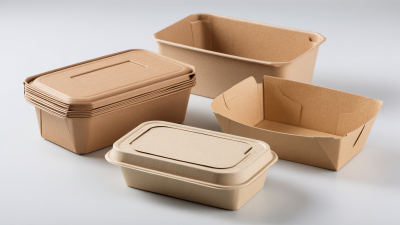
Paper containers offer a biodegradable alternative. They work well for dry foods and hot items. But their moisture resistance can vary. Choosing quality paper materials is essential to prevent leaks. Sometimes, they may not provide enough insulation for hot dishes.
Eco-friendly options are gaining popularity. These containers can be made from cornstarch or recycled materials. Although they can be pricier, they appeal to environmentally conscious consumers. Always look for certifications to ensure sustainability. When you opt for these choices, reflect on how they align with your brand values. This could lead to a more loyal customer base. Customers appreciate sustainability but it's a balancing act.
Material Options for Take Out Food Containers
Evaluating Size and Design for Optimal Customer Experience and Efficiency
When selecting take-out food containers, size and design play crucial roles. The right size ensures that meals fit well, without risking spillage. Oversized containers can lead to wasted food and extra costs. When the food isn’t fully contained, it affects presentation and customer satisfaction.
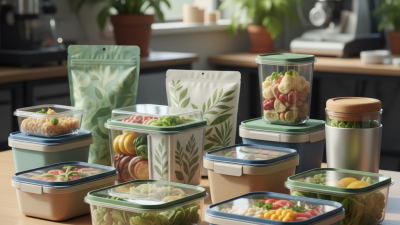
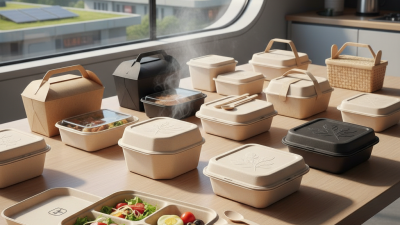
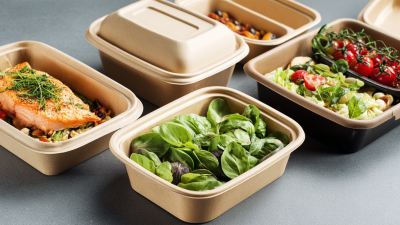
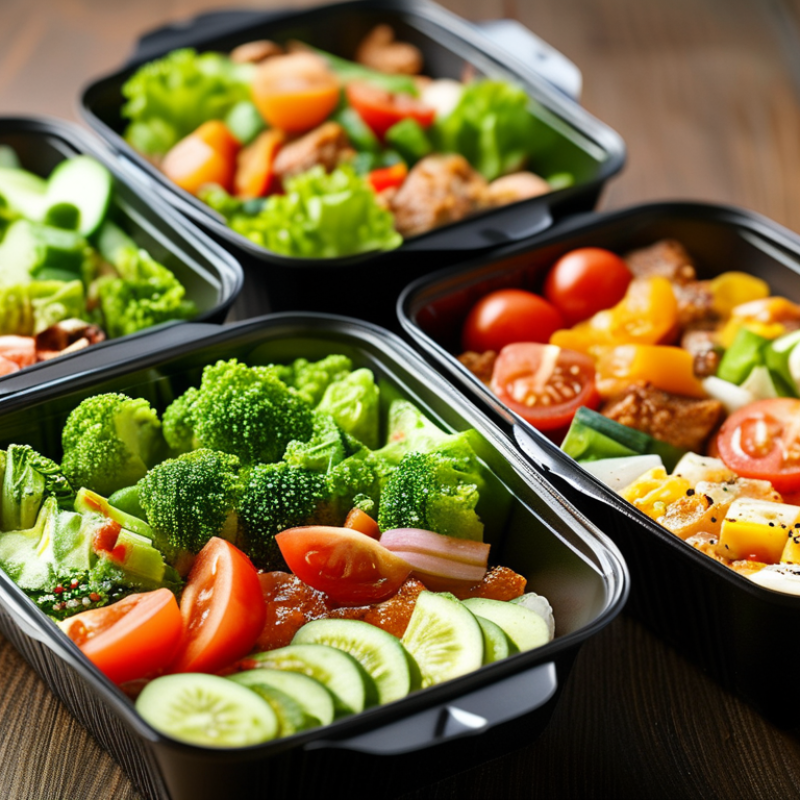
Design should enhance the dining experience. Consider containers that allow for easy stacking and transport. They should be visually appealing yet functional. Clear containers help showcase the food, inviting customers to enjoy their meal even before they open it. Don’t underestimate the impact of a good design; it can turn a regular meal into an appealing treat.
However, not every design works perfectly. Sometimes, the most aesthetically pleasing containers may compromise insulation. Others may lack durability, leading to customer complaints. Regularly testing different containers can help identify the best solutions. Gather feedback from customers to improve choices. Adapting to needs is a sign of a thriving business.
Cost Analysis: Balancing Quality and Affordability in Food Container Choices
In the competitive food service industry, selecting the right take-out containers is crucial. A cost analysis reveals that businesses must balance quality and affordability. According to a recent industry report by Food Packaging Forum, high-quality containers can increase food safety and customer satisfaction. However, these benefits come at a price, which can stress budgets.
Research from Packaged Facts indicates that about 55% of restaurants aim to cut costs without sacrificing quality. Many owners find it challenging to make this balance work. For instance, biodegradable options are environmentally friendly but often carry a higher price tag. Understanding the trade-offs is essential. Investing in quality materials can reduce leaks and spills, ensuring the food arrives intact.
Yet, poorly chosen containers might lead to food waste, impacting profitability. Some studies suggest that inadequate packaging can result in a 20% increase in complaints. While cheaper options might seem appealing, they could hurt a brand's reputation. Businesses must weigh these factors carefully. Analyzing customer feedback alongside material costs can guide better purchasing decisions. It’s a complex journey that requires deep reflection and strategic planning.