Why Choose POF Shrink Tube Bags for Your Packaging Needs?
When it comes to packaging, the choice of materials can significantly impact product presentation and protection. POF Shrink Tube Bags offer a unique solution for various packaging needs. They not only enhance the visual appeal of products but also provide excellent durability and sealing.
Many businesses overlook the benefits of using POF Shrink Tube Bags. They might stick to traditional methods out of habit. However, these bags are known for their versatility and clarity. Many products look more attractive when packaged in these tubes, which can draw customer attention. In addition, they provide a snug fit, reducing the risk of damage during transport.
Yet, one must consider the environmental impact of packaging choices. While POF Shrink Tube Bags are made from recyclable materials, they still contribute to waste if not disposed of correctly. This factor is vital for brands aiming for sustainability. Reflecting on packaging practices can lead to improved choices that benefit both businesses and the planet. POF Shrink Tube Bags might be an innovative option, but awareness of their full lifecycle is crucial.
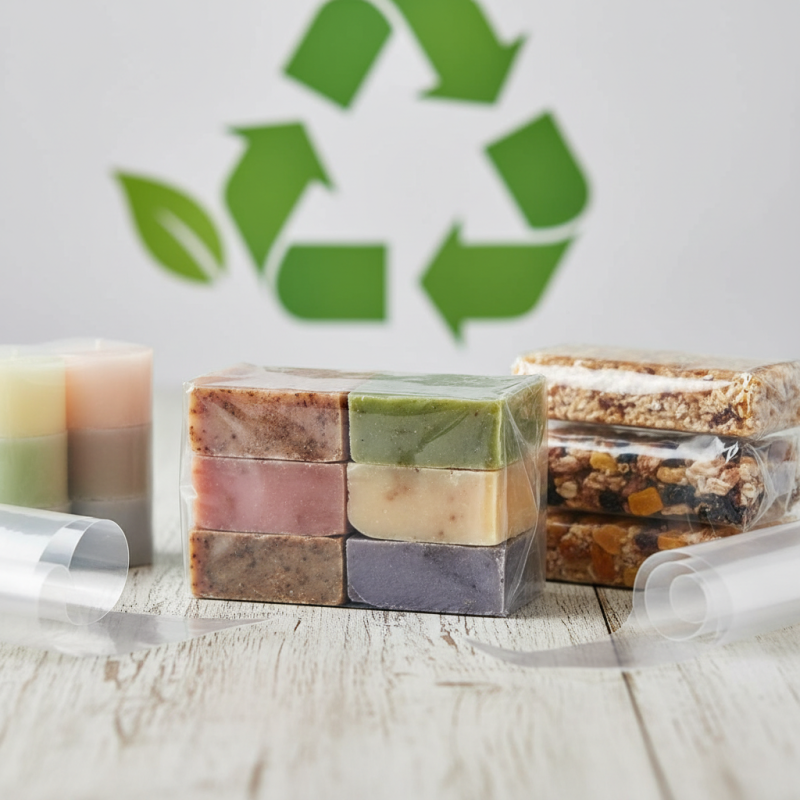
Benefits of POF Shrink Tube Bags for Packaging Applications
POF shrink tube bags offer numerous advantages for various packaging applications. These bags are lightweight yet robust, providing excellent protection against moisture and contaminants. According to industry research, nearly 29% of packaged goods are damaged during transport. Using POF shrink bags can help minimize this problem significantly.
The clarity of POF shrink bags is impressive. They showcase products beautifully, which can increase consumer interest. A study revealed that packaging design can influence purchasing decisions by up to 30%. Attractive packaging can differentiate your product in a crowded market. However, the environmental impact of packaging remains a concern. While POF materials are generally recyclable, few consumers understand this.
Additionally, POF shrink tube bags cater to various shapes and sizes, making them versatile. Their elasticity allows for a snug fit without compromising integrity. Yet, there are challenges. Businesses may face issues with overheating during the shrinking process, leading to damaged packages. Finding the right balance in temperature is crucial. This requires careful monitoring and adjustments in machinery settings. Packaging efficiency can lead to cost savings, but it demands ongoing attention to detail.
Comparative Analysis: POF Shrink Tube Bags vs. Other Packaging Options
When considering packaging choices, POF shrink tube bags stand out due to their versatility. They offer an efficient sealing method that prevents contamination. A report from Packaging Strategies notes that 75% of food products now use shrink packaging as the primary form of containment. This reflects a growing trend toward using more flexible solutions in various sectors.
In contrast, traditional packaging options such as rigid boxes and glass containers may not provide the same level of protection. Rigid packaging can be more costly and less efficient in terms of space utilization. A survey by the Flexible Packaging Association indicates that 53% of companies believe flexible packaging has better sustainability metrics. This is a crucial factor as environmental standards continue to rise.
However, POF bags do have limitations. They can be less durable than other options if not properly heat-welded. In addition, while they protect against moisture, extreme temperature fluctuations can impact performance. This highlights the need for careful consideration in the supply chain. Aim for a balance between flexibility and stability in choosing packaging solutions.
Key Features of POF Shrink Tube Bags That Enhance Product Safety
POF shrink tube bags offer several key features that enhance product safety. First, their strong and durable material ensures high resistance to punctures and tears. According to a 2020 industry report, flexible packaging options like POF can reduce packaging waste by up to 50%. This not only protects products but also minimizes environmental impact.
Moreover, POF shrink tube bags provide an excellent barrier against moisture and contaminants. A study from the Packaging Association highlights that proper packaging reduces product spoilage rates by approximately 30%. This means longer shelf life for products, which is critical for businesses. Customers expect safe and intact items with each purchase.
However, there are challenges to consider. While POF bags are effective, improper sealing can lead to compromised safety. Production quality varies widely among manufacturers, which can lead to inconsistent results. Businesses must prioritize quality control when using these bags to ensure product integrity. Investing in reliable suppliers is crucial; their performance can significantly impact overall customer satisfaction.
Eco-Friendliness of POF Shrink Tube Bags in Sustainable Packaging
POF shrink tube bags are gaining popularity for their eco-friendly attributes. These bags are made from a type of polyethylene, which is recyclable. This means they can be reprocessed and used again. This characteristic significantly reduces waste compared to traditional plastic options. Their lightweight nature also contributes to lower transportation emissions.
When selecting packaging, consider sustainability. Choose POF shrink tube bags when possible. However, ensure they fit your product well. A snug fit reduces excess material. Less material equals less waste. Optimize your packaging to align with your eco-friendly goals.
It's crucial to reflect on the overall impact of your choices. Sometimes, the most sustainable options may not always appear perfect. Be mindful. Re-evaluate your current packaging methods. You might find that you can still improve. Small changes can lead to big differences in your carbon footprint.
Choosing the Right Size and Specifications for POF Shrink Tube Bags
When selecting the right size for POF shrink tube bags, precision is key. These bags come in various dimensions, catering to different packaging needs. According to a recent industry report, 78% of companies prioritize using the correct bag size to maximize product visibility and minimize waste. This statistic highlights the importance of tailoring the size to fit the product perfectly, ensuring an attractive presentation.
Specification matters too. POF shrink tube bags typically range from 50 to 500 microns in thickness. A thinner bag may not provide enough protection, while an overly thick bag adds unnecessary cost. For delicate items, a thickness of around 100 microns is considered optimal, according to packaging experts. However, many businesses still overlook this detail, aiming for generic solutions that might not suit their specific products.
Not all bags are created equal. Some manufacturers offer bags that may not conform to the required safety standards. Reports indicate that approximately 15% of companies using subpar materials face product integrity issues. This can lead to wasted product and higher operational costs. Companies must remain vigilant and select the right specifications to avoid these pitfalls and ensure that their products maintain their quality during transit.
POF Shrink Tube Bags Size Distribution