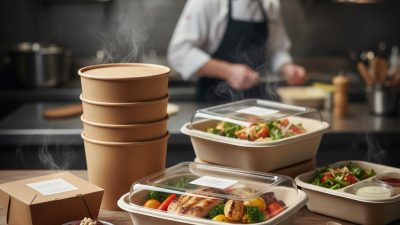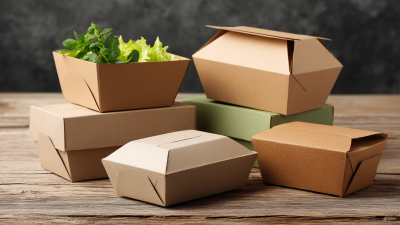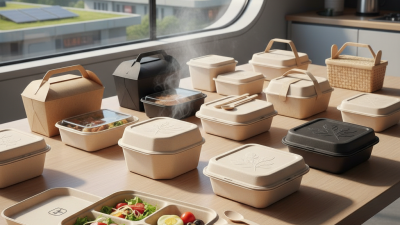
In an era where food delivery is booming, the importance of quality take out boxes cannot be overstated. As Sarah Jenkins, an expert in food packaging solutions, once said, "Great take out boxes can keep food fresh and customers happy." The right packaging can enhance the dining experience, ensuring that flavors and textures remain intact.
Choosing the best take out boxes involves considering various factors like material, size, and insulation properties. Many restaurants overlook these details, leading to compromised food quality. For example, flimsy boxes may leak or collapse, disappointing customers and harming the brand's reputation.
Even with advancements in packaging technology, there is still room for improvement. Not every take out box on the market meets the diverse needs of different cuisines. Investing in the right options can make a difference. It might seem simple, but this choice can lead to lasting customer loyalty.
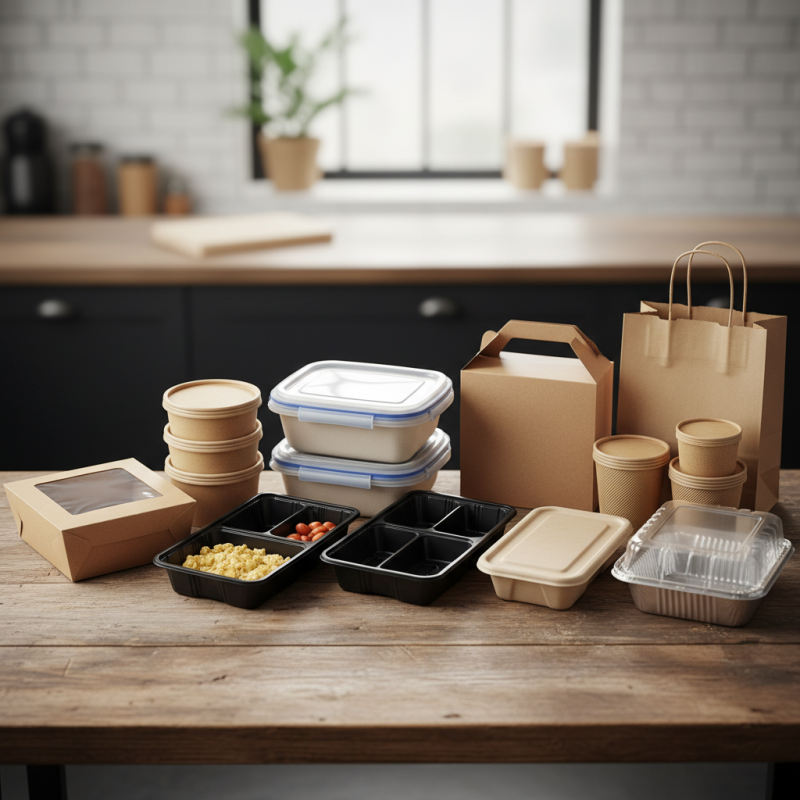
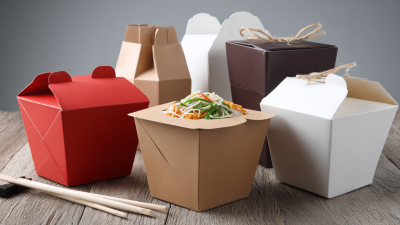
When selecting takeout boxes, many options are available. The right choice depends on the food type and delivery method. Common types include paper, plastic, and biodegradable containers. Each type has strengths and weaknesses.
Paper boxes are eco-friendly but may not hold liquids well. Plastic containers are durable but contribute to waste. Biodegradable options offer a better environmental solution but can be pricier. According to recent industry reports, the demand for eco-friendly packaging has surged by 20% in the past year.
Tips: Consider the type of food and temperature when choosing a box. Hot items may require insulated packaging to maintain warmth. Cold items might benefit from breathable containers to avoid sogginess. Evaluate the material's durability, especially for heavier dishes. Balancing quality and cost is essential, but reflection on waste impact is just as crucial.
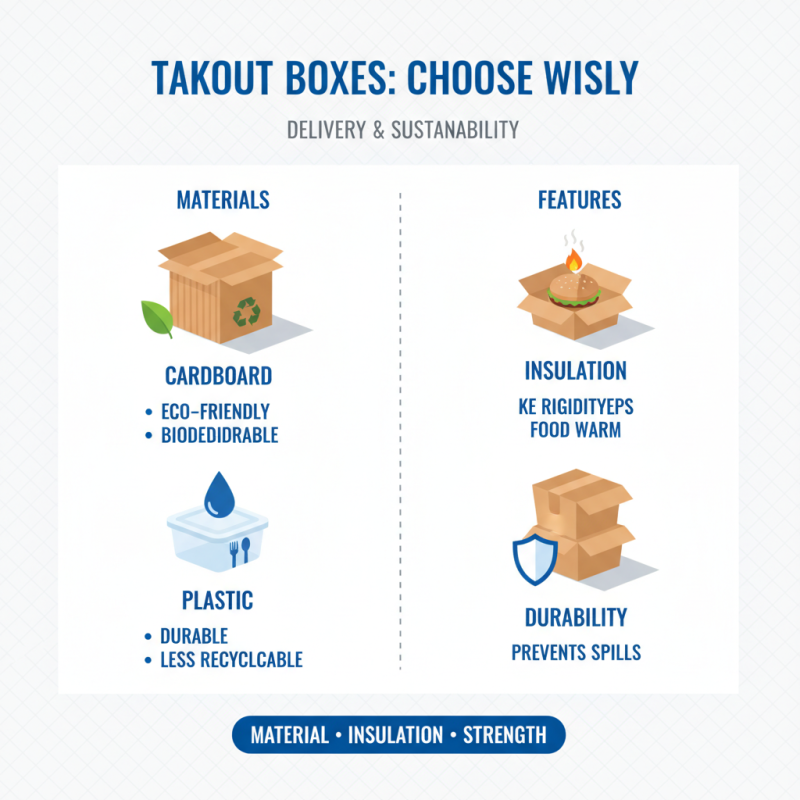
When choosing take-out boxes, material matters. Cardboard is a popular option. It’s lightweight and recyclable. Many find it suitable for hot foods like pizza. However, moisture can weaken it. Not every dish is perfect in cardboard.
Plastic containers offer durability. They handle liquids well, making them ideal for soups. Yet, they are often less eco-friendly. Some people worry about health risks linked to certain plastics. It's essential to consider these factors before making a choice.
There are also biodegradable options. These take-out boxes are made from natural materials. They break down over time, reducing waste. However, they can be more expensive. Reflecting on these choices can lead to better decisions for the environment and your food delivery needs.
Choosing the right take out boxes is crucial for food delivery. You need to consider materials. Options range from cardboard to plastic. Each type has its pros and cons. Cardboard is eco-friendly and biodegradable. Plastic is strong but not always recyclable. Think about the insulation properties too. Some boxes keep food warm longer than others.
Size matters. A box too large may waste space. A box too small risks spills. You want boxes to fit various food types. Different meals require different designs. For example, saucy dishes need leak-proof containers. In contrast, salads can use vented boxes to maintain freshness.
Lastly, consider the appearance. Customers appreciate neat packaging. Unattractive boxes can ruin the dining experience. Don't forget branding opportunities. Your logo on the box leaves an impression. When making a choice, weigh all these factors carefully. It can get overwhelming. Keep experimenting until you find what works best.
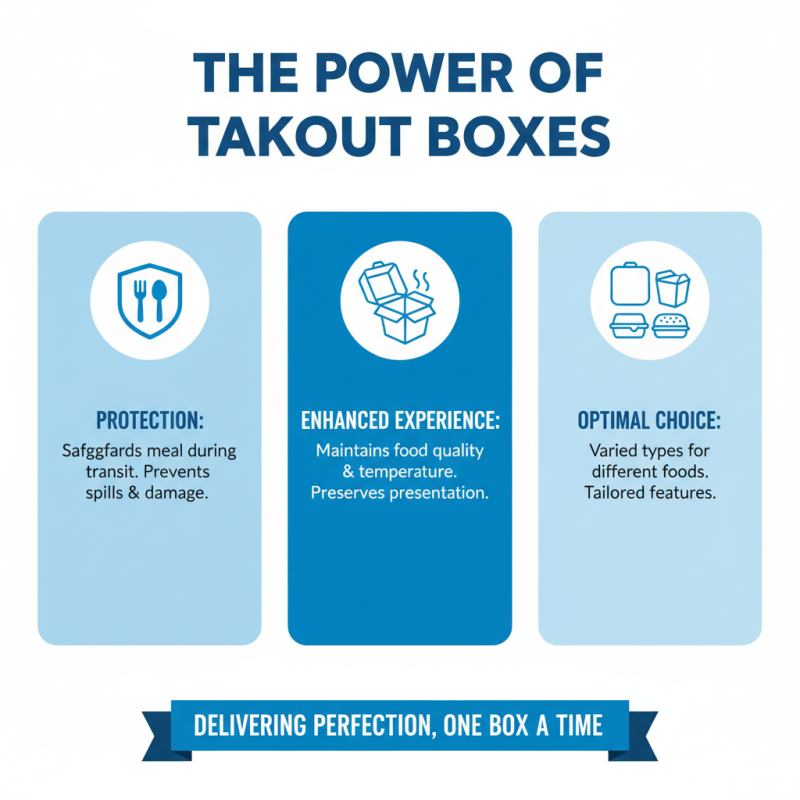
Takeout boxes play a crucial role in food delivery. They protect your meal during transport. The right box enhances the dining experience, maintaining quality and presentation. Each type has unique features tailored to different foods.
Some boxes are designed for hot meals. They withstand high temperatures and prevent spills. Others are great for cold items like salads. They often come with compartments to keep ingredients fresh. However, these boxes can be bulky and less eco-friendly. Sustainability is a growing concern in the packaging industry.
Portion control is another key feature. Smaller boxes help limit serving sizes. This can aid in meal planning. Yet, it may frustrate customers wanting larger portions. Additionally, the choice of materials matters. Biodegradable options are eco-conscious but may lack sturdiness. Striking the right balance is essential.
The demand for eco-friendly takeout boxes is rising. In 2020, around 57% of consumers preferred sustainable packaging options. As the food delivery market expands, so does the need for responsible choices. Traditional plastic containers contribute significantly to waste, affecting our planet. Transitioning to biodegradable and compostable materials is crucial.
Biodegradable boxes, made from materials like sugarcane or bamboo, break down naturally. They often take just 90 to 180 days to decompose. This is a significant improvement from conventional plastics, which can take hundreds of years. Meanwhile, plant-based options, while growing in popularity, still face challenges. For instance, the cost of production can be higher, leading to increased prices for consumers.
Recyclable options also play a role. However, only about 9% of plastic waste gets recycled effectively. Many urban areas lack proper recycling facilities. This leads businesses to rethink their packaging strategies. The shift toward sustainable takeout boxes is not just about saving the environment; it’s also about changing consumer behavior. Supporting companies that prioritize sustainability can lead to long-term benefits for our ecosystem.
| Type | Material | Size (oz) | Eco-Friendly | Price ($) |
|---|---|---|---|---|
| Foldable Box | Sugarcane | 24 | Yes | 0.30 |
| Clear Plastic Container | PET | 16 | No | 0.20 |
| Bamboo Box | Bamboo | 25 | Yes | 0.45 |
| Paper Container | Recycled Paper | 12 | Yes | 0.15 |
| Biodegradable Box | PLA | 20 | Yes | 0.35 |
| Aluminum Foil Container | Aluminum | 32 | No | 0.50 |
| Compostable Box | Plant Fiber | 18 | Yes | 0.40 |
| Clamshell Container | Plant-Based Plastic | 16 | Yes | 0.55 |
| Recyclable Box | Cardboard | 30 | Yes | 0.25 |
| Bioplastics Box | Starch-based Plastic | 22 | Yes | 0.60 |