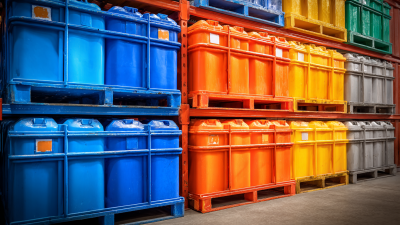
Global buyers need more than a low unit price when selecting bulk plastic containers. They need consistent dimensions, secure closures, reliable material performance, and predictable shipping efficiency. A container may look suitable in a product image, yet fail when stacked, exposed to heat, or handled repeatedly.
The scale of the plastics industry makes supplier evaluation increasingly important. PlasticsEurope reported global plastics production of approximately 414 million tonnes in 2023. Packaging remains one of the largest application sectors. The OECD’s Global Plastics Outlook also warns that plastic waste has grown rapidly, while recycling rates remain limited worldwide. These findings encourage buyers to examine durability, reusability, recycled content, and end-of-life options before approving a large order.
This guide reviews 10 best bulk plastic containers for global buyers through practical purchasing criteria. The comparison considers container capacity, resin type, wall strength, closure design, pallet utilization, customization, certifications, and supplier reliability. Food, chemical, pharmaceutical, and industrial applications require different evidence. A standard HDPE drum may suit detergents, but not every regulated liquid or temperature range. Details matter.
No ranking is perfect.
Market reports provide useful direction, but they cannot replace sample testing or factory audits. Buyers should verify specifications, inspection records, and destination-market requirements. Small flaws can become expensive: warped lids, inconsistent neck sizes, or weak handles may disrupt an entire shipment. The strongest choice balances technical performance, total landed cost, and responsible sourcing. That balance is sometimes harder than expected.
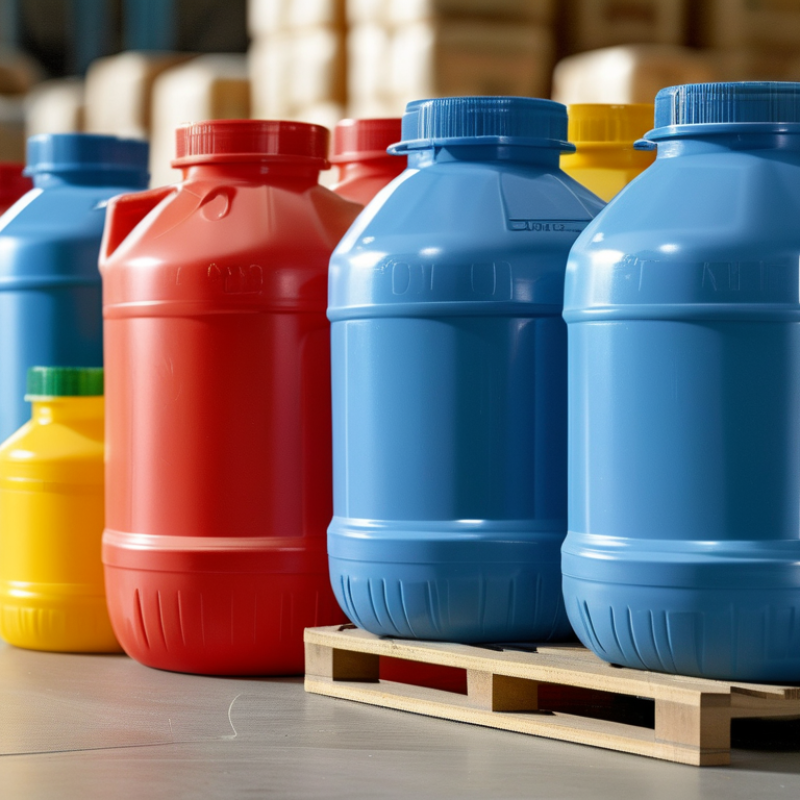
Bulk plastic containers are vessels made for storing, protecting, and moving products in large quantities. They include drums, pails, jerry cans, tanks, and stackable boxes. Global buyers use them for food ingredients, cleaning supplies, cosmetics, agricultural materials, and industrial liquids. Their value is practical: lower handling costs, consistent dimensions, and easier warehouse storage.
Material selection matters. High-density polyethylene suits many chemicals and outdoor applications. Polypropylene can perform well with heat and repeated washing. Buyers should check wall thickness, closure design, load capacity, and temperature limits. A container may look strong but still deform during long-distance transport. In real sourcing work, small details often cause costly problems. For example, a loose cap can create leakage inside a humid shipping container. Perfect packaging is rare. Testing is wiser than guessing.
Request samples before placing a large order. Test stacking under realistic warehouse conditions. Confirm internal volume, external dimensions, and empty weight. Ask for material documentation and product-contact declarations when needed. Review labeling space, pallet compatibility, and recycling instructions. Regional requirements can differ, so buyers should verify applicable import, packaging, and safety rules with qualified local professionals. A cheaper unit price may become expensive after damaged goods, extra storage, or rejected shipments.
For global buyers, material selection should start with the product, not the lowest unit price. HDPE offers strong impact resistance for industrial liquids and household formulations. PP handles higher filling temperatures in many applications. PET provides clarity, but it may need extra protection from impact and ultraviolet exposure. Light-sensitive contents often require opaque walls. Confirm chemical compatibility with supplier test data and practical fill trials. Temperature changes during ocean transport can reveal weak assumptions. That matters.
Sizes should match usage, storage, and pallet efficiency. Small containers may support retail handling, while larger units reduce packaging and labor costs. Measure height, diameter, wall thickness, and total filled weight. A square or rectangular shape can reduce empty pallet space. However, rounded containers usually resist dents and stacking pressure better. The shape that wins a calculator may lose on a wet warehouse floor. I would test both.
Closure type affects leakage, tamper evidence, filling speed, and customer convenience. Continuous-thread caps suit many liquid products and allow controlled torque settings. Snap closures can speed packing but require careful seal testing. Wide-mouth designs help with powders, viscous materials, and easier cleaning. Pump or dispensing closures may improve usability, yet they add cost and more failure points. Check neck finish compatibility, gasket material, torque range, and drop-test performance. For regulated markets, request traceability records and relevant migration or composition documents. Documents can look complete, but one missing test condition may still weaken the purchasing decision.
| No. | Container Type | Primary Material | Typical Capacity Range | Common Shape | Typical Neck / Closure | Key Material Properties | Typical Applications | Bulk-Buying Considerations |
|---|---|---|---|---|---|---|---|---|
| 1 | Industrial Jerry Can | High-density polyethylene (HDPE) | 5–30 L | Rectangular or square with integrated handle | 38–63 mm screw cap; tamper-evident options available | High impact strength, good moisture resistance, and good resistance to many acids, alkalis, and household chemicals | Cleaning chemicals, agricultural liquids, lubricants, and water-based products | Check UN certification when required, handle strength, pallet efficiency, and compatibility with the filling liquid |
| 2 | PET Round Bottle | Polyethylene terephthalate (PET) | 250 mL–5 L | Round, oval, or custom-profile bottle | 28–48 mm screw neck; dispensing and tamper-evident closures available | Clear appearance, high stiffness, good gas and moisture barrier compared with many polyolefins, and low weight | Beverages, edible oils, sauces, personal-care products, and selected household liquids | Confirm oxygen sensitivity, light protection, closure torque, recycled-content requirements, and transport durability |
| 3 | HDPE Wide-Mouth Pail | HDPE | 3–25 L | Tapered round or square pail | Snap-on lid, lever-lock lid, or screw-top lid; gasketed options available | Rigid, impact-resistant, stackable, and suitable for many powders, pastes, and semi-liquids | Paints, coatings, food ingredients, powders, detergents, and construction materials | Compare lid seal performance, nesting ratio, stacking load, handle design, and food-contact compliance where applicable |
| 4 | PP Wide-Mouth Jar | Polypropylene (PP) | 100 mL–5 L | Round or square jar | Continuous-thread screw cap; induction-seal and liner options available | Good chemical resistance, good fatigue resistance, and higher heat resistance than many common packaging plastics | Powders, creams, spices, supplements, laboratory materials, and food ingredients | Review temperature exposure, hinge or cap durability, liner compatibility, and the required product-scoop access |
| 5 | LDPE Squeeze Bottle | Low-density polyethylene (LDPE) | 100 mL–2 L | Flexible oval or cylindrical bottle | Flip-top, disc-top, or precision dispensing cap | Flexible, squeezable, lightweight, and resistant to moisture; generally less rigid than HDPE and PET | Condiments, lotions, gels, detergents, and laboratory dispensing liquids | Test squeeze recovery, wall thickness, leak resistance, cap fit, and compatibility with oils, solvents, or surfactants |
| 6 | Fluorinated HDPE Bottle | Fluorinated HDPE | 250 mL–20 L | Round, rectangular, or jerry-can style | Screw cap with liner or vented closure | Fluorinated inner surface can reduce permeation and chemical interaction for selected aggressive formulations | Solvents, agrochemicals, specialty chemicals, and products requiring improved barrier performance | Validate the specific formulation, permeation data, fluorination treatment, regulatory status, and closure compatibility |
| 7 | Stackable HDPE Drum | HDPE | 30–220 L | Open-head or tight-head cylindrical drum | 2-inch and 3/4-inch bung closures; removable lid on open-head models | Strong, corrosion-free, relatively lightweight, and suitable for many liquid and solid products | Industrial chemicals, detergents, resins, powders, and non-hazardous bulk liquids | Check UN performance certification, bung standard, drum dimensions, stacking height, and empty-container return logistics |
| 8 | IBC Tote | HDPE inner bottle with galvanized-steel or polymer frame | 500–1,000 L | Rectangular pallet-mounted tank | 150–225 mm top fill opening; 50–75 mm bottom discharge valve | High volume efficiency, forklift handling, and lower packaging use per litre than many smaller containers | Water treatment chemicals, food ingredients, detergents, oils, and industrial liquids | Confirm valve type, pallet base, cage design, cleaning standard, UN certification, and return or pooling arrangements |
| 9 | Collapsible Plastic Pail | PP or HDPE | 5–20 L | Collapsible round or square pail | Snap-fit lid, screw lid, or hinged lid | Reduced empty-volume storage, reusable construction options, and convenient handling for selected products | Dry goods, promotional kits, emergency supplies, coatings, and household products | Evaluate collapse mechanism, lid seal, reuse cycle, pallet stability, and whether the product requires a rigid container during transport |
| 10 | Plastic Tube Container | LDPE, HDPE, PP, or multilayer plastic | 10–500 mL | Flexible cylindrical tube with shoulder and nozzle | Flip-top, screw cap, nozzle cap, or applicator closure | Lightweight, easy to dispense, and suitable for controlled delivery of viscous products | Cosmetics, pharmaceutical creams, adhesives, sealants, and food pastes | Compare barrier layers, seal integrity, nozzle diameter, decoration method, filling line compatibility, and product evacuation rate |
Choosing among the 10 best bulk plastic containers requires more than comparing price and capacity. A practical evaluation starts with the intended material, temperature, filling process, and transport route. Request resin identification, migration testing, and batch traceability. For food, cosmetics, or chemical applications, confirm destination-market requirements before approving a sample. A clean appearance is not proof of safety.
Durability should be tested under real handling conditions. Fill containers, stack them, drop them, and inspect closures after temperature changes. Wall thickness alone can mislead.
The OECD’s Global Plastics Outlook reports that global plastic waste reached 353 million tonnes in 2019, while only 9% was recycled. This makes recycled content, recyclability, and collection systems important purchasing questions. Ask for verified recycled-content records, not broad sustainability claims.
Compliance documents deserve careful review. Check certificates, test methods, revision dates, and the exact container material. A supplier’s statement may be incomplete. It happens. Compare results with applicable food-contact, chemical, labeling, and transport rules in each destination.
The United Nations Environment Programme warns that plastic pollution could nearly triple by 2040 without stronger action.
Therefore, evaluate reusable designs, lighter packaging, and end-of-life options together. A container that lasts longer may still create problems if local recycling facilities cannot process it. Performance matters, but context matters too.
For liquid chemicals, food ingredients, and cleaning supplies, rigid HDPE jerrycans offer dependable stacking and controlled pouring. They commonly range from five to thirty liters. Wide-mouth pails suit powders, pastes, and construction materials because workers can scoop contents quickly. Tight lids matter here. Plastic drums support larger liquid shipments, especially when handling requires stronger walls and secure closures. Their ring-lock tops help reduce leakage during long-distance transport.
For agricultural water, detergents, or industrial fluids, stackable tanks provide high-volume storage with fewer handling steps. Intermediate bulk containers work well when warehouses need pallet movement and reusable frames. Clear PET bottles help buyers inspect color, sediment, and fill levels. Opaque bottles protect light-sensitive contents. Small plastic jars suit creams, powders, samples, and laboratory materials, while their broad openings simplify filling and cleaning. Carboys serve laboratories and water treatment operations, where handles and strong necks improve manual control.
For fresh produce, seafood, and warehouse distribution, ventilated plastic crates encourage airflow and repeated handling. Nestable totes save space when empty, although poor sizing can waste more room than expected. Food-contact applications require documented material specifications, clean production controls, and suitable closure systems. Buyers should confirm wall thickness, resin type, temperature limits, pallet dimensions, and drop-test results before ordering. A cheaper container may fail after one rough transfer. I underestimated that once. Suppliers should also provide samples, packing details, inspection records, and clear statements about intended use. Some assumptions need testing.
10 Best Bulk Plastic Containers for Global Buyers?
Selecting bulk plastic containers is less about the lowest quotation and more about landed cost. Ask suppliers for resin type, wall thickness, closure specifications, dimensional tolerances, and recent inspection records. A sample filled with water should survive stacking, handling, and a short vibration test. Small defects become expensive after loading.
The UNCTAD Review of Maritime Transport 2024 reports that global seaborne trade reached about 12.3 billion tons in 2023. Freight space remains sensitive to route changes, port delays, and fuel costs. Request quotations under clearly stated Incoterms. Compare product price, pallet quantity, container utilization, inland delivery, insurance, duties, and customs fees. A cheaper container can waste money when empty space increases ocean freight.
Supplier control needs evidence, not promises. Review production capacity, batch traceability, quality certificates, and corrective-action records. The World Bank’s Logistics Performance Index 2023 shows major differences between countries in customs, infrastructure, and shipment timeliness. Build a shipping buffer. It feels inefficient, but missed delivery windows can stop production. Also confirm the correct HS classification and destination requirements before payment. I would not rely on one inspection report. Repeat checks are safer, although they add friction and cost. Ask for pre-shipment photos, random measurements, and signed packing lists. Then compare the actual container count against the booking.
Typical nominal capacity by container format. Larger formats can reduce packaging and handling costs, but buyers should also verify pallet dimensions, tare weight, regulatory certification, and shipping limits with the supplier.
The capacities shown are common industry nominal sizes. Actual dimensions, closure types, material grades, and transport suitability vary by specification and destination market.