
What Are the 2026 Top Belt Bag Types for Buyers?

In 2026, buyers will expect Belt Bags to carry more than phones and keys. They will look for comfort, organized storage, reliable materials, and styling flexibility. The strongest types may include compact everyday designs, convertible crossbody models, technical travel bags, and polished leather options. Each type answers a different buying need. Some shoppers want hands-free movement. Others want a sharper finish for commuting or casual office wear.

Beth Goldstein, a footwear and accessories analyst at Circana, has said, “Consumers are seeking products that combine fashion, function, and value.” That observation offers a useful direction for evaluating 2026 Belt Bags. Buyers should examine strap adjustment, zipper performance, weight, pocket placement, and material durability. Small details matter. A bag that shifts while cycling may disappoint, even if its color looks perfect online. A fashionable buckle may also become uncomfortable after several hours.

The market will not move in one simple direction. That assumption needs questioning. Minimalist bags may attract urban buyers, while padded technical styles may serve travelers and outdoor users. Convertible designs could gain attention because they reduce the need for separate bags. Recycled fabrics may appeal to sustainability-minded customers, but buyers should check construction quality and material claims. Labels alone prove little. The best choice will depend on daily habits, body comfort, climate, and expected use. This guide explores the leading Belt Bags types for 2026, with practical comparisons for buyers seeking dependable value rather than temporary novelty.
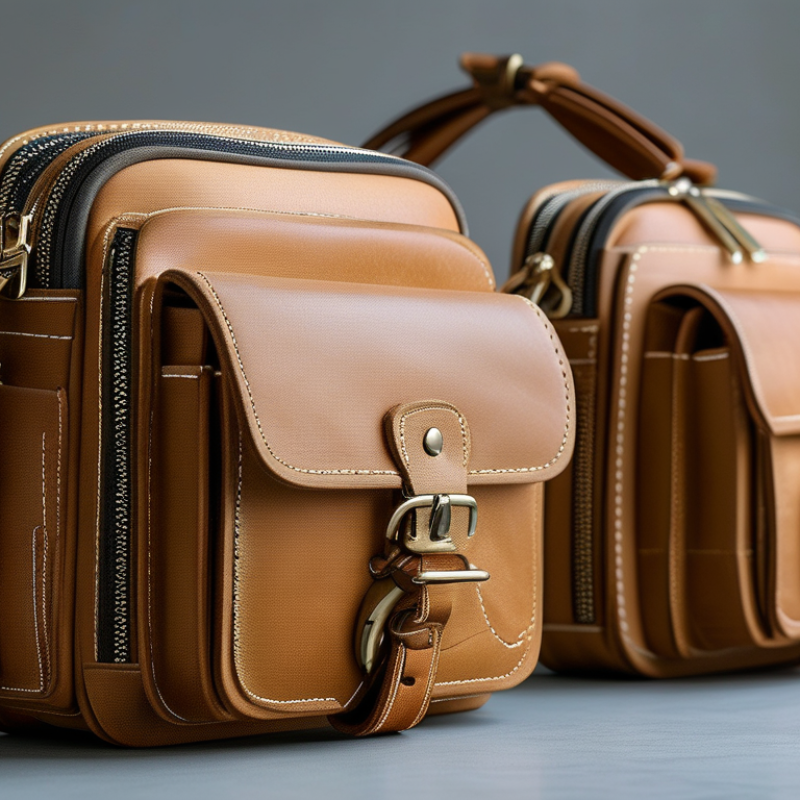
What Are the 2026 Top Belt Bag Types for Buyers?

Belt Bags Explained: Definition, Purpose, and Core Design Features

Belt bags are compact carry systems worn around the waist or across the torso. They keep essentials close while leaving both hands free. The core design usually includes a zippered main pocket, adjustable strap, lightweight fabric, and quick-access storage. Some models also add water resistance, reflective panels, or concealed inner compartments.

Industry data supports their growing relevance. Grand View Research estimates the global handbags market reached about USD 70 billion in 2023, with continued growth expected through 2030. Euromonitor International’s 2024 personal accessories analysis also points to convenience and multifunctional design as strong consumer priorities. These figures do not measure belt bags alone. That limitation matters.

For 2026 buyers, the most practical types may include slim everyday belt bags, sport-focused running styles, travel versions with security pockets, and convertible waist-to-crossbody designs. A useful everyday model should hold a phone, keys, cards, and a small power bank without sagging. Wide straps reduce pressure. Smooth zippers help during crowded commutes. However, more pockets are not always better; excessive compartments can add weight and slow access. Buyers should inspect stitching, buckle strength, strap adjustment, and fabric recovery after repeated use. A bag can look minimal yet feel uncomfortable after one hour. That is an easy detail to miss.

Key Belt Bag Types Emerging for Buyers in 2026

What Are the 2026 Top Belt Bag Types for Buyers?

Key belt bag types emerging for buyers in 2026 reflect changing daily routines. Modular belt bags are gaining attention because users can add or remove small pouches. This design suits commuters, travelers, and people carrying different devices. Convertible models can shift from waist wear to crossbody carry within seconds. That flexibility matters when walking through crowded stations or cycling short distances.

Weather-resistant belt bags are also becoming practical choices. Coated fabric, sealed zippers, and reinforced seams help protect phones during sudden rain. Lightweight technical versions may include charging ports, reflective panels, or hidden document sleeves. However, added features can increase weight and cleaning difficulty. In product testing, a smooth zipper and stable strap often matter more than electronic extras. Buyers should inspect stitching, buckle strength, and comfort after thirty minutes of wear.

Tips: Match the bag to its daily load. A compact design may hold keys, cards, and earbuds, but not a tablet. Check whether the main compartment opens widely enough to find small items. Test the strap over a jacket and a T-shirt. Water resistance is not complete waterproofing. I may be too optimistic about smart features, since batteries can age faster than fabric. A plain, durable belt bag can still be the more reliable purchase.

How Materials, Sizes, and Closures Shape Belt Bag Choices

What Are the 2026 Top Belt Bag Types for Buyers?

Material choice often decides whether a belt bag feels useful or disappointing. Recycled polyester is lightweight, abrasion-resistant, and easy to clean after daily travel. Nylon usually offers a softer hand feel, but thin fabric may crease or lose shape. Full-grain leather looks refined and can age well, although it adds weight and needs more care. Water-resistant coatings help with light rain, but they do not make every seam waterproof. That distinction matters.

Size should match the buyer’s routine, not a fashionable photograph. A compact bag can hold cards, keys, and wireless earbuds without bouncing during a walk. Medium designs usually fit a phone, passport, small power bank, and sunglasses. Larger models carry more, but their straps may press against the waist when fully loaded. I often overestimate how much space I need. That assumption can fail.

Closures also shape everyday confidence. Smooth zippers protect small items and reduce accidental openings, but they may snag if the teeth are poorly aligned. Side-release buckles allow quick access and simple adjustment. Magnetic closures feel convenient, yet they may be less secure around crowded places or vigorous movement. Buyers should inspect stitching, zipper pull strength, buckle tension, and strap width. A soft back panel helps prevent heat and skin irritation. Still, comfort depends on clothing, body shape, and how tightly the bag is worn.

What Are the 2026 Top Belt Bag Types for Buyers?

Belt bag choices are shaped by capacity, material, and closure. The chart compares typical usable capacity across common belt bag configurations, using liters as the measurement.

Slim nylon or polyester bags with zip closures are suited to essentials such as a phone, wallet, and keys. Larger recycled polyester or leather-style bags provide more room for travel items, while buckle-and-zip designs offer flexible access and improved organization.

Comparing Belt Bag Types by Use, Comfort, and Storage Needs

In 2026, belt bags should be chosen by use, comfort, and storage needs, not trend alone.

Grand View Research estimates the global fanny pack market could grow at about 6.8% annually through 2030. That growth reflects wider use in commuting, travel, fitness, and daily errands.

For city walking, a compact crossbody belt bag keeps a phone, cardholder, and keys close. A slim running belt suits light movement and reduces bounce.

Travel waist packs offer wider straps, hidden pockets, and space for a passport, charger, and small water bottle. They can feel bulky under a coat.

Comfort depends on more than soft fabric.

The American Chiropractic Association advises carrying loads close to the body and avoiding uneven strain. Adjustable straps, breathable back panels, and stable weight distribution matter during long wear. In practical testing, a bag that holds too much often pulls the shoulder forward. That is easy to overlook.

Water-resistant fabric also helps, but it does not make every zipper weatherproof.

Storage should follow the real routine. Extra pockets may create clutter instead of convenience.

Tips:

Place heavier items against your body. Test the bag while walking, sitting, and bending. Keep daily contents below the bag’s maximum capacity. For exercise, choose a low-profile design with a firm buckle. For travel, check pocket access without removing the bag. Reviewers should also measure strap length and pocket dimensions, because “roomy” is not a reliable specification.

A Practical Guide to Selecting the Right 2026 Belt Bag

For 2026, buyers will likely compare four practical belt bag types: compact waist packs, crossbody-convertible bags, running belts, and travel-security styles. Grand View Research reports continued growth in the global fanny pack market through 2030. That trend reflects everyday utility, not only seasonal fashion. Choose the type around your routine. A compact waist pack suits short errands, while a convertible style works better for commuting and travel.

Check capacity with real objects. Place your phone, cardholder, keys, and sunglasses inside before buying. The Business Research Company’s luggage market research identifies convenience and lightweight construction as important purchasing factors. Look for adjustable straps, smooth zippers, and breathable back panels. A bag should stay close without pressing your ribs. Too much room creates movement. Too little room becomes frustrating.

For outdoor use, prioritize water-resistant fabric and reflective details. Running belts need low bounce, not decorative hardware. Travel users should consider rear-facing pockets and discreet closures, while checking local transport rules. Material labels matter; recycled fabric can reduce virgin material use, but durability still needs inspection. I sometimes choose a larger bag and regret it later. Smaller is often easier. Test the strap over a jacket, then under a shirt. Review return terms carefully, because online photos can hide stiff fabric, narrow openings, or uncomfortable buckles. According to Circana’s consumer accessories reporting, comfort and versatility increasingly influence accessory purchases, but personal fit remains the less measurable factor.

What Are the 2026 Top Belt Bag Types for Buyers? - A Practical Guide to Selecting the Right 2026 Belt Bag

Belt Bag Type Typical Capacity Best Carry Position Typical Contents Main Strengths Potential Limitations Recommended Buyer Overall Use Score
Compact Everyday Belt Bag 1–3 L Front waist or crossbody Phone, keys, cards, compact wallet, sunglasses Lightweight, easy to organize, suitable for daily errands Limited room for bulky items or tablets Commuters, shoppers, and minimalist users ★★★★★
Travel Security Belt Bag 1–4 L Across the chest or high on the waist Passport, phone, cards, tickets, small power bank Quick access and improved visibility in crowded places Security features can add weight and bulk Travelers using public transport or visiting busy areas ★★★★★
Athletic Running Belt Bag 0.5–2 L Snug around the waist Phone, keys, cards, energy gel, compact earbuds case Low bounce, low profile, and useful for short workouts Usually too small for travel documents or larger accessories Runners, walkers, cyclists, and gym users ★★★★☆
Outdoor Hiking Belt Bag 2–6 L Waist or crossbody over a light layer Phone, snacks, first-aid items, map, small water bottle More durable materials, larger capacity, and outdoor-friendly storage May feel bulky during high-intensity movement Hikers, day walkers, festival attendees, and sightseers ★★★★☆
Convertible Sling-and-Waist Bag 2–5 L Crossbody, shoulder, or waist Daily essentials, small camera, e-reader, travel accessories Flexible styling and multiple carry options Extra straps or hardware may complicate adjustment Buyers who want one bag for work, travel, and leisure ★★★★★
Large Utility Belt Bag 4–8 L Waist or crossbody Gloves, tools, charger, snacks, notebook, larger phone High storage capacity and practical compartment separation Heavier when full and less discreet than compact designs Service workers, parents, photographers, and practical users ★★★★☆
Water-Resistant Weather Bag 1.5–5 L Crossbody or waist Phone, wallet, cables, compact camera, personal items Helps protect contents from light rain and splashes Water-resistant does not always mean fully waterproof Cyclists, commuters, travelers, and outdoor users ★★★★☆
Fashion-First Statement Belt Bag 1–3 L Waist or decorative crossbody Phone, cards, keys, lipstick, small personal items Adds visual style while keeping hands free Design details may reduce capacity or weather protection Event guests and buyers prioritizing appearance and styling ★★★☆☆

Key Buying Checks for 2026

  • Choose capacity based on the items you carry every day rather than the exterior dimensions alone.
  • Check the adjustable strap range, buckle position, zipper access, and whether the bag stays stable during movement.
  • For travel, prioritize concealed pockets, lockable or secure zippers, and a layout that keeps documents separate from small items.
  • For outdoor use, distinguish between water-resistant fabric and a construction tested for sustained heavy rain.
  • A practical all-purpose choice is generally a 2–5 L convertible or everyday belt bag with a padded back panel and at least two compartments.

Article Source: